


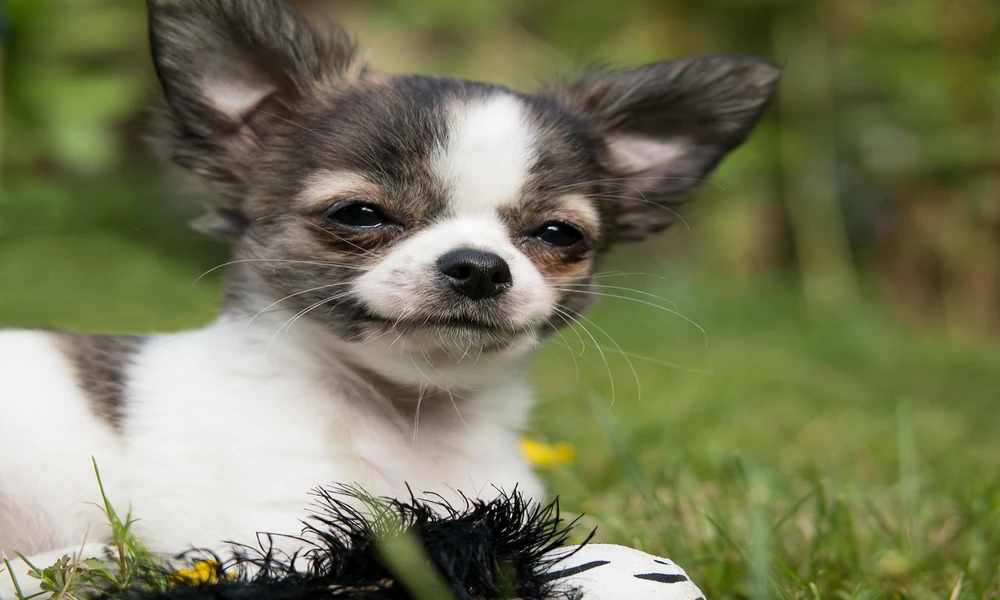
A great Chihuahua breeder for families is someone who raises puppies inside their actual home, gets them used to being around kids, and can hand you real documentation of health testing on both parents. Honestly, temperament and transparency matter a whole lot more than trophies ever will. This guide from Dreamer’s Pups walks you through the same vetting criteria we hold ourselves to, so you can walk into any breeder conversation and know exactly what to look for.
Chihuahuas are tiny – one of the smallest recognized breeds, usually under 6 pounds – which means how they’re handled early on really matters. A puppy that grows up in a quiet kennel setup is going to have a rough time adjusting to the chaos and noise of a family household. But a puppy that’s been around kids, vacuum cleaners, doorbells going off? That puppy usually settles into your home within days.
The toddler question most guides skip
Let’s be real about something. Chihuahuas aren’t the obvious first pick for a home with very young children, and any breeder who tells you otherwise isn’t being straight with you. Their size means a well-meaning toddler hug or an accidental drop can cause a real injury. Their temperament also leans toward guarding their space and their person. That doesn’t make them a bad family dog – it just means you need to be more careful about breeder selection and household setup than you would with a bigger breed.
A breeder who actually focuses on families will:
- Ask how old your children are before they even talk to you about a specific puppy – and steer you away from a litter if the fit isn’t right
- Raise puppies around kids who are old enough to handle them gently, so those puppies grow up learning that small humans are safe
- Pick breeding pairs for calm, tolerant temperaments over sharpness – even when that means passing on a flashier show line
- Walk you through the household rules that keep both your child and your dog safe: no picking up the puppy without an adult around, a crate or pen the dog can retreat to, and supervised interaction only
If you’ve got children under about five, expect a responsible breeder to have a genuine conversation with you about timing, supervision, and whether a Chihuahua makes sense for your family right now at all. That conversation is a green flag, not a red one.
Four traits the best family Chihuahua breeders share
The best Chihuahua breeders for families tend to have these four things in common:
- They raise litters in their home – not in outdoor runs or a separate facility
- They let you meet the dam, and often the sire, in person
- They give you a written health guarantee and complete vaccination records
- They interview you just as carefully as you interview them
> Pro Tip: Ask to see video of the puppies in their everyday environment, not just polished photos. A breeder who hesitates to share unedited footage of the litter at play is telling you something worth paying attention to.
The American Kennel Club maintains breed standards and parent club resources that help you understand what responsible breeding actually looks like in practice. For deeper guidance on inherited conditions, the Canine Health Information Center tracks breed-specific testing results that breeders can voluntarily submit.
Questions to Ask a Dog Breeder Before You Commit
The right questions reveal how the puppies were raised, what health testing happened, and what kind of support you get after you take your puppy home. Ask these before you pay a deposit – not after. Most generic lists just give you the questions and stop there. We won’t.
Can I meet the mother, and see where the puppies are raised?
A strong answer is an immediate yes, plus an invitation to visit the room where the litter actually lives. A weak answer is a meet-up scheduled at a parking lot, a pet store, or someone else’s home. The dam’s temperament is the single best predictor of your puppy’s adult disposition, so meeting her matters more than meeting the sire.
What health testing was done on both parents, and can I see the certificates?
The breeder should name the specific tests – patellar luxation evaluation and cardiac screening through the Orthopedic Foundation of Animals – and give you the registration numbers so you can look them up yourself in the OFA database. “The vet checked them” is not a health test.
How have you socialized this litter around children and household sounds?
You want concrete detail here: what ages the puppies were handled by, whether they met kids of different ages, how they were exposed to vacuums, doorbells, and crates. Vague assurances like “they’re well socialized” tell you nothing.
What does your health guarantee cover, and for how long?
Ask what happens if a genetic condition shows up at 18 months. A one-year guarantee that expires before many inherited conditions even surface is weaker than a two-year guarantee tied to specific diagnoses.
What food, schedule, and training routine is the puppy already used to?
A breeder who can hand you a written feeding schedule, potty routine, and crate introduction notes is setting your family up to skip the first-week chaos that sends a lot of puppies back.
Will you take the puppy back if our situation changes?
The right answer is yes, at any age, no questions asked. A breeder who hesitates here hasn’t thought through what happens to their dogs after they leave.
Do you offer guidance after we bring the puppy home?
Ask specifically: can I text you with questions in the first month? Will you help me troubleshoot crate training or a picky eater? Post-adoption mentorship is one of the strongest trust signals a family-focused breeder can offer – and it’s the topic most competitor guides skip entirely.
> Key Takeaway: A breeder who answers all seven with specifics – names, dates, registration numbers, written documents – is worth your time. One who deflects on health testing, refuses a home visit, or can’t describe the litter’s daily routine is not. And the scrutiny should run both ways: a good breeder will ask you just as many questions about your household as you ask about the puppies.
Before you commit, ask for the answers to questions two and four in writing. Verbal promises about health testing and guarantees are worth nothing if your puppy develops a hereditary condition a year down the road. A breeder who’s comfortable putting those commitments on paper is the one you want raising your family’s dog.
Pet Quality vs Show Quality Chihuahuas: Which Fits Your Family?
The difference between pet quality and show quality Chihuahuas comes down to purpose, not worth. Show quality dogs meet strict conformation standards for the ring. Pet quality dogs might have minor cosmetic deviations, but they’re just as healthy – and often better suited to everyday family life.
| Factor | Pet Quality | Show Quality |
| Primary goal | Family companion | Conformation competition |
| Price range | Lower | Higher |
| Health testing | Should be equal | Should be equal |
| Temperament focus | Family suitability | Breed standard + ring manners |
| Best for | Homes with children | Experienced exhibitors |
> Watch Out: Don’t assume a higher price tag means better health. Price reflects lineage and titles, not necessarily the testing that protects your puppy from inherited conditions. Always ask for the paperwork.
Chihuahua Puppy Health Testing Requirements You Should Verify
Chihuahua puppy health testing comes down to two inherited conditions you want to verify: patellar luxation and cardiac issues. Reputable breeders screen their breeding dogs for both and can show you the results.
Beyond genetic screening, make sure you can verify these basics:
- Puppies are fully wormed on a documented schedule
- Vaccinations are current and recorded
- A veterinary exam was completed before placement
- The breeder provides a written health guarantee
Top Chihuahua Breeders for Families in 2026
The top Chihuahua breeders for families in 2026 share three things: home-raised litters, verified health testing, and genuine post-adoption support. Below are programs built around pet-quality temperament and helping puppies integrate into real family life.
Best For: Families with young children who want a puppy already socialized to household life, plus ongoing breeder support after pickup.
Red Flags: How to Spot a Puppy Mill or Backyard Breeder
Puppy mills and backyard breeders share warning signs that are pretty predictable once you know them. Learning to spot these protects your family from heartbreak and a stack of expensive vet bills.
Watch for these red flags:
- The breeder refuses a home visit or video call
- Multiple breeds are available, or puppies are sold through a broker
- The mother is never shown, or “isn’t available”
- No health testing documents – only verbal assurances
- Puppies are ready to leave before 8 weeks of age
- Payment is demanded in full before any meeting
- The breeder can’t answer basic questions about the breed
Conclusion: Finding Your Family’s Perfect Chihuahua
Vetting a breeder takes patience, but the payoff is a healthy puppy that fits right into your household from day one. Start with the questions above, get health testing verified in writing, and walk away from anyone who dodges transparency. If you want a Chihuahua raised among children, socialized for real family life, and backed by documented health records and a supportive adoption process, Dreamer’s Pups is built for exactly that.
Frequently Asked Questions
How do I know if a Chihuahua breeder is ethical and reputable?
Look for breeders who provide AKC registration, perform health testing on parent dogs, and allow you to visit their home. Ethical breeders will ask you questions too, give you a puppy contract with a health guarantee, and offer support after you bring your puppy home. They should be open about their breeding practices and never sell puppies through third-party sites or pet stores.
Are Chihuahuas good family dogs for households with young children?
Chihuahuas can be wonderful family dogs when they’re raised in a home with children and properly socialized. Their small size makes them less intimidating for kids, but they do need gentle handling. Families with toddlers should supervise interactions and choose a breeder who prioritizes temperament – like Dreamer’s Pups, where puppies are raised right alongside children.
What health tests should a Chihuahua breeder perform on parent dogs?
Reputable breeders test for patellar luxation and cardiac conditions. Dreamer’s Pups provides comprehensive health records and guarantees for every puppy.
How much should I expect to pay for a Chihuahua puppy from a reputable breeder?
Prices from ethical breeders typically range from $1,500 to $3,000, depending on lineage, health testing, and socialization. Dreamer’s Pups offers puppies from $675 to $2,750, with each puppy fully vaccinated, wormed, and raised in a home environment. Higher prices often reflect extensive health testing and quality care.
What is the difference between pet quality and show quality Chihuahuas?
Show quality Chihuahuas meet strict AKC conformation standards and are bred for dog shows. Pet quality Chihuahuas may have minor cosmetic deviations but are equally healthy and make wonderful companions. For families, pet quality is often the ideal choice because breeders focus on temperament and health rather than appearance.
